travel guide
Blog Title: The History of Udaipur: How the City of Lakes Was Founded
Discover the fascinating history of Udaipur, from its founding by Maharana Udai Singh II in 1559 to its legendary palaces, battles, and rich Mewar royal heritage
Blog Content
Introduction
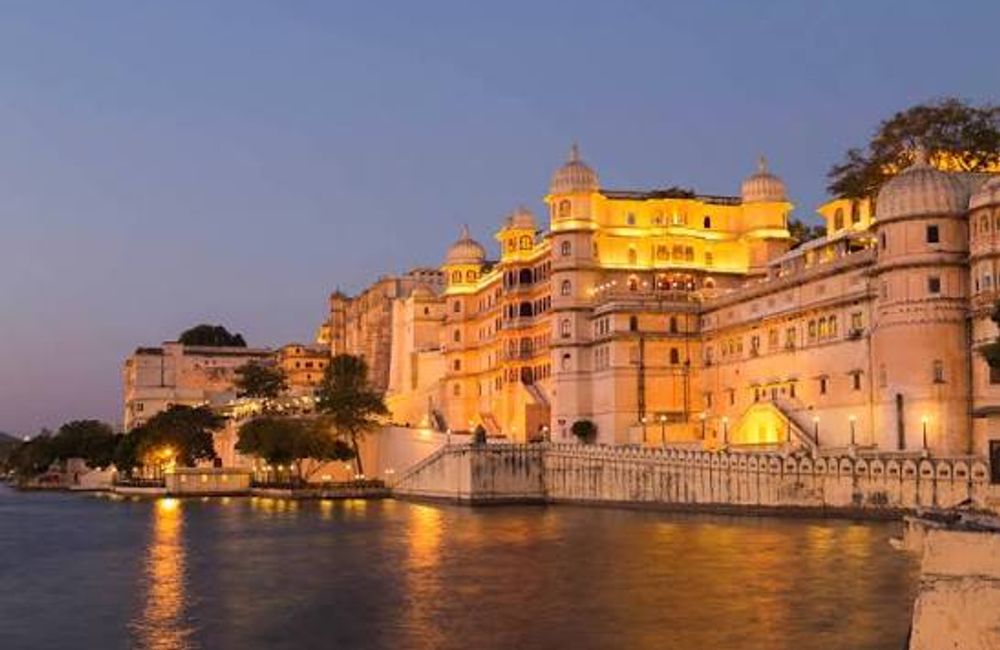
Known around the world as the "City of Lakes" and the "Venice of the East," Udaipur is famous for its grand palaces, serene waters, and romantic setting. However, behind its majestic beauty lies a fiery legacy of valor, sacrifice, and strategic brilliance.
To truly appreciate Udaipur, one must look back into the history of Mewar—one of the oldest and most resilient royal dynasties in India.
1. The Founding of Udaipur (1559 AD)
Udaipur was founded in 1559 by Maharana Udai Singh II, the 53rd ruler of the Mewar Dynasty.
Before Udaipur, the historic capital of Mewar was the formidable hill fort of Chittorgarh. As threats from the expanding Mughal Empire grew under Emperor Akbar, Maharana Udai Singh II realized the need for a safer, strategically defensible capital nestled deep within the Aravalli Mountains.
Legend has it that while hunting in the Aravalli hills, Maharana Udai Singh II met a hermit who advised him to build a capital at that exact spot, assuring him it would remain secure from enemy invasions. The Maharana followed the hermit's advice and established the city, naming it Udaipur.
2. Strategic Geography and the Creation of Lakes
The location of Udaipur was chosen with military foresight:
- Natural Barriers: The dense forests and surrounding Aravalli range offered natural defenses against invading armies.
- Water Security: Being in an arid region, the rulers prioritized water management. Maharana Udai Singh II constructed Lake Pichola and expanded the artificial lake network, ensuring a constant water supply and forming natural moats around the royal court.
3. Maharana Pratap and the Battle of Haldighati
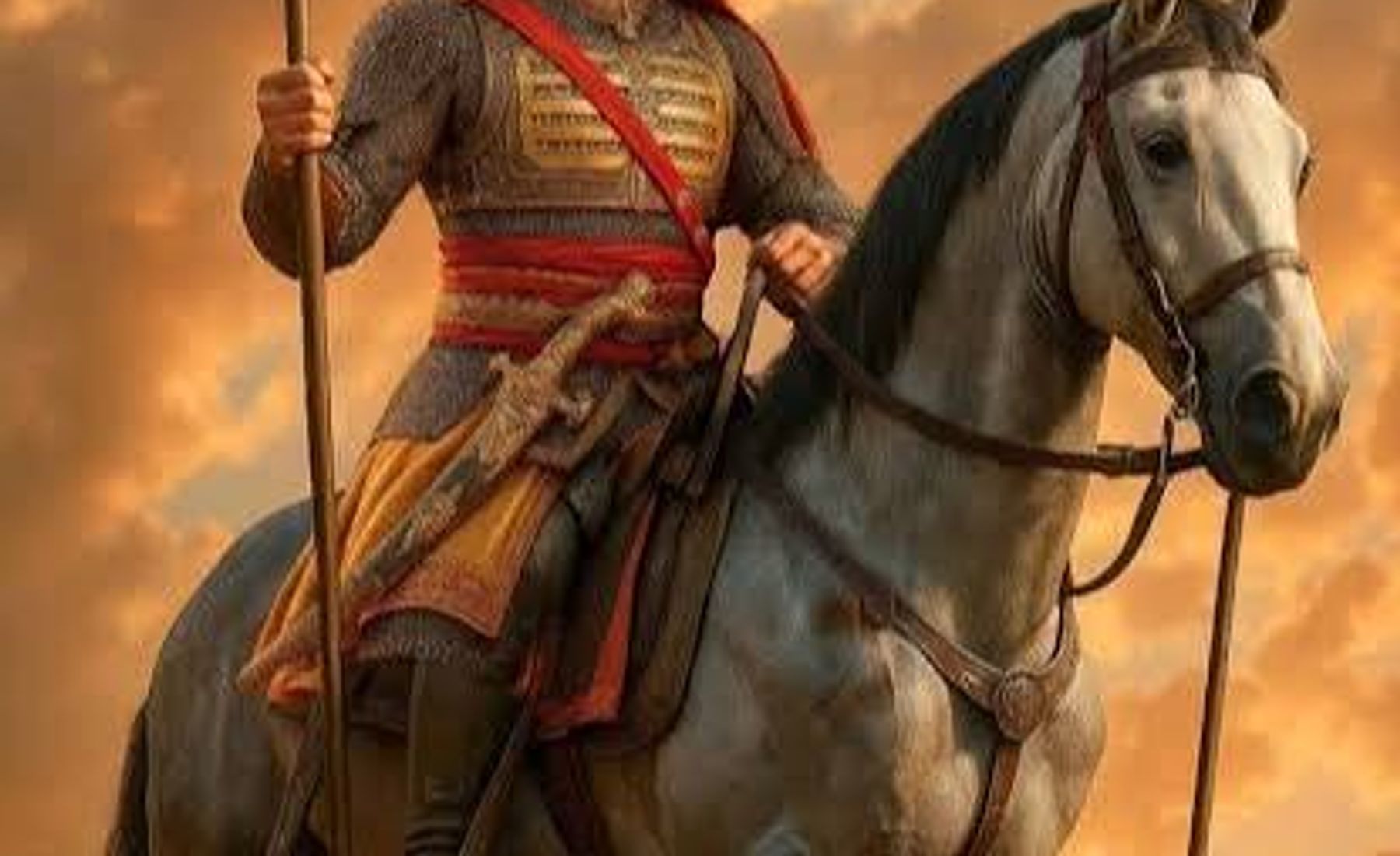
No chapter of Udaipur’s history is complete without mentioning Maharana Pratap (son of Udai Singh II), one of India’s most revered warrior kings.
Refusing to submit to Mughal authority, Maharana Pratap fought the famous Battle of Haldighati in 1576 against the Mughal forces. Though heavily outnumbered, Maharana Pratap and his loyal horse, Chetak, fought with legendary bravery. He spent years in exile in the surrounding forests, regrouping and waging guerrilla warfare to reclaim most of his kingdom.
4. Architectural Flourishing in the 17th & 18th Centuries
After decades of conflict, relative peace returned to Mewar, leading to a golden era of architecture and arts:
- The City Palace: Expanded over 400 years by successive Maharanas, creating a vast complex of courtyards, balconies, and halls.
- Jag Mandir & Jag Niwas (Lake Palace): Built in the middle of Lake Pichola as royal summer retreats.
- Fateh Sagar Lake: Enlarged by Maharana Fateh Singh in the late 19th century to further support the city's water infrastructure.
5. Accession to Independent India
When India gained independence in 1947, Maharana Bhupal Singh of Udaipur was among the first princely rulers to accede to the Union of India, integrating Mewar into the newly formed state of Rajasthan.
Conclusion
Today, Udaipur gracefully blends its historical heritage with modern hospitality. Walking through the narrow streets of the Old City or taking a boat ride across Lake Pichola is not just a holiday experience—it’s a journey through centuries of royal Indian history.
Manav Stays & Hospitality
Discover Udaipur through authentic stays, local experiences and thoughtful hospitality.
Continue Exploring
More from Manav Stays
Discover more places, experiences and travel inspiration from Udaipur and Rajasthan.